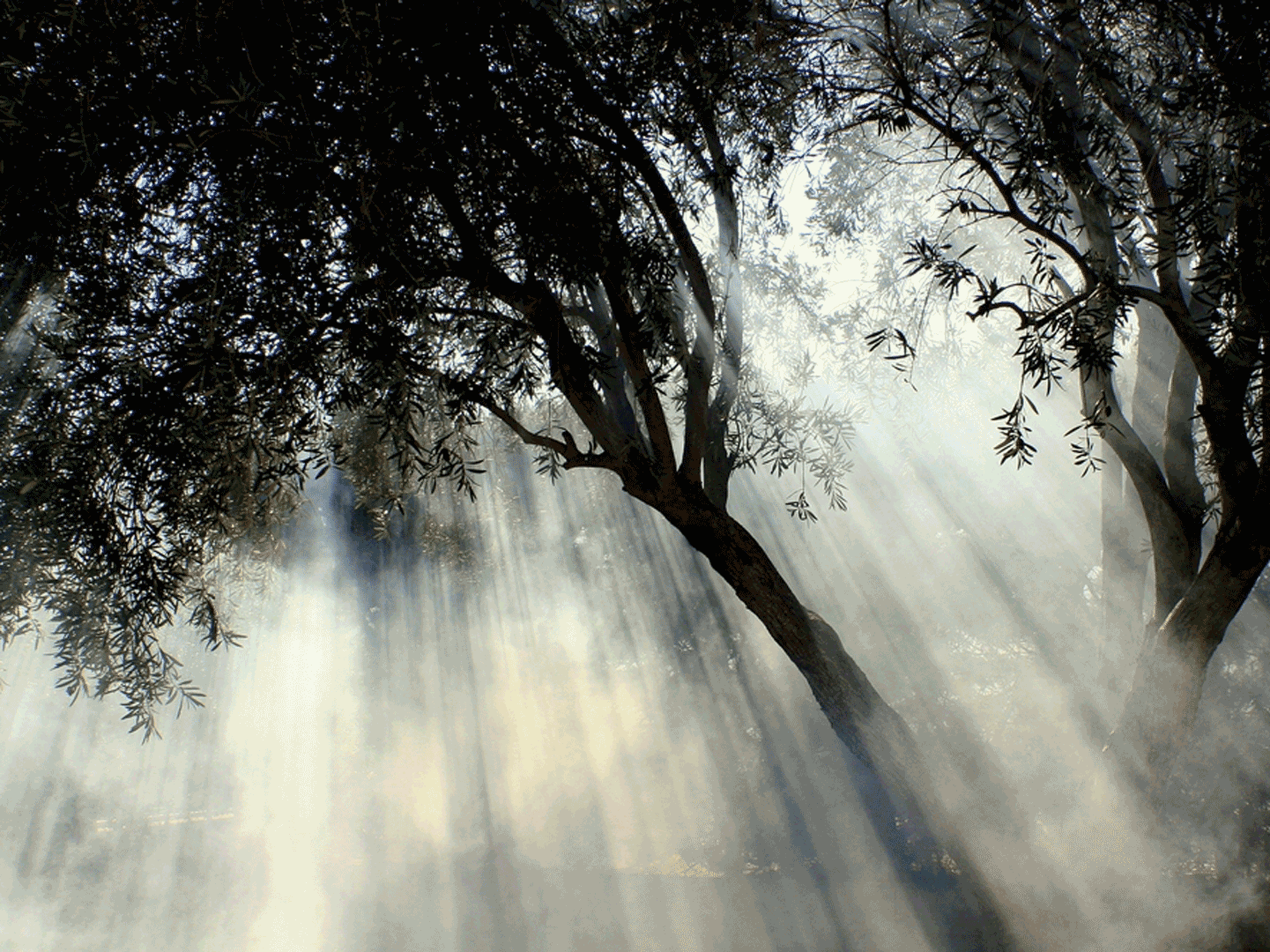
In the hills of Crete, beneath terraces of ancient olive trees, lie the hidden entrances to Minoan burial chambers. Stone-lined, earth-covered, forgotten by time—these tombs are not monuments but recesses into the underworld, cut quietly into the land.
The olive roots reach downward. So do we.
Burial and Landscape
The Minoan civilization, flourishing on Crete between 3000 and 1100 BCE, built no massive cemeteries like their Egyptian contemporaries. Instead, they carved tholos tombs—circular burial chambers—into hillsides or beneath groves. The choice of location was deliberate. The living and the dead shared the same earth.
Archaeological digs often find these chambers beneath olive groves that have stood for centuries, their roots twisting around stones set by ancient hands.
- Fig. 1 – Interior of a Late Minoan burial chamber near Phaistos, partially collapsed but still accessible.
- Fig. 2 – Excavation diagram: cross-section of a tholos tomb beneath an olive grove in southern Crete.
Echoes of Ceremony
Inside these chambers, archaeologists uncover layers of ritual: clay jars, carved seals, bronze blades, and bones arranged with care. Sometimes, multiple generations were buried together, their remains revisited and moved—a sign of ongoing connection, not finality.
The olive tree, sacred in Minoan culture, symbolizes life, resilience, and continuity. Its roots wrap the tombs like guardians.
The Weight of Time
To work in these burial sites is to feel time press inward. The stones are cool, the air still. Above ground, olive branches sway in the wind. Below, artifacts whisper of a world where life and death were not opposites but part of the same circle.
In every chamber, there’s a silence that feels older than language.
- Fig. 3 – Map of Minoan burial sites concentrated in Crete’s southern hills.
- Fig. 4 – Clay offering vessels found near the entrance of a chamber tomb, circa 1450 BCE.
Reflections from the Field
I once excavated a tomb where the entrance had collapsed long ago. As we removed stones and earth, we found offerings still in place: a tiny bull figurine, a terracotta cup, the fragment of a gold ring.
Above us, the olive tree stood in the same spot it had for centuries. Its roots had touched the tomb walls. Its fruit had fallen above the buried dead for generations.
Closing Thought
In Crete, life and death meet beneath the olive tree. The Minoans knew this. So do the archaeologists who return, spade in hand, to gently uncover what the earth has held.
Some roots go deeper than we imagine.
Leave a Reply