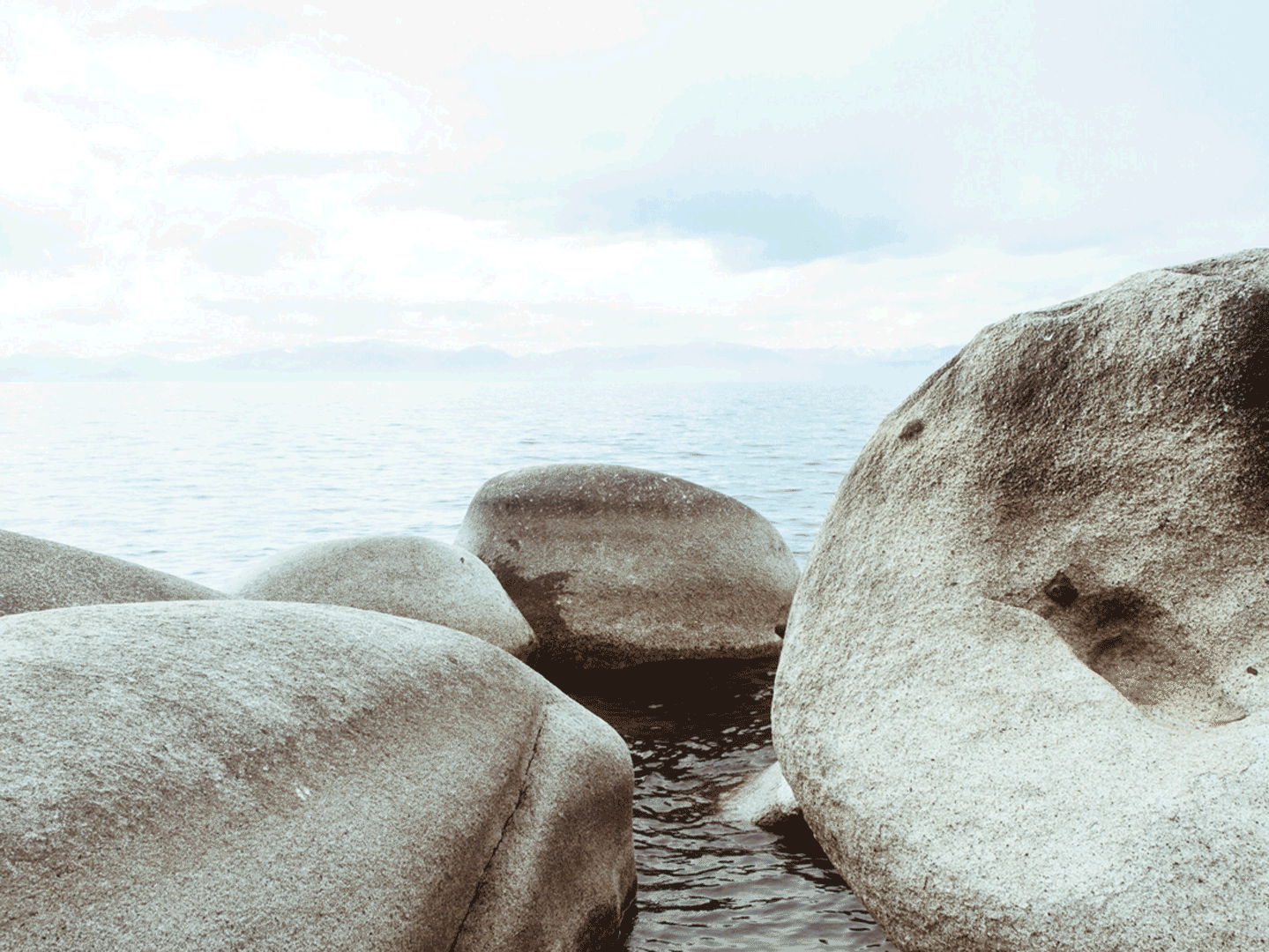
Along the southern coast of Cyprus, salt glistens in shallow pools where the sea retreats. For millennia, this coastline has been more than a resource—it has been a ritual space. Ancient shrines and sacred altars cluster near salt pans and harbors, weaving trade, faith, and landscape into a single practice.
Salt preserves. And so do rituals.
The Ritual Economy of Salt
In antiquity, salt was not just seasoning—it was currency, medicine, and symbol. In Cyprus, the extraction of salt became intertwined with worship. Archaeological sites reveal small coastal sanctuaries near salt flats, where offerings were made to Aphrodite, marine deities, and household gods.
Some of these rituals survive in folk memory. Others are buried beneath silt and stone.
- Fig. 1 – Aerial view of the Larnaca Salt Lake and nearby ancient settlement mounds.
- Fig. 2 – Clay figurines found near a coastal sanctuary at Amathus, possibly linked to salt rites.
Sacred Geography
The proximity of temples to salt flats was no accident. Salt, in many ancient cultures, represented purity, preservation, and the sealing of covenants. Rituals of salting accompanied sacrifices, oaths, and transitions—birth, marriage, burial.
Excavations along the southern coast reveal altars with traces of salt crystals, small votive objects, and amphorae that once carried brine or salted fish. These finds suggest a seamless blending of commerce and devotion.
Memory Carried in Minerals
Salt leaves traces in the earth—and in the collective memory. Even today, Cypriot communities mark seasonal changes by visiting salt lakes, collecting crystals, and offering thanks for the harvest of the sea.
In archaeology, we often think of memory as text or monument. But sometimes, it’s simply the repetition of gesture—a hand sprinkling salt, a quiet word whispered to the water.
- Fig. 3 – Map of coastal sanctuary sites near Cyprus’s ancient salt production areas.
- Fig. 4 – Close-up of a limestone relief depicting marine offerings, recovered near Kourion.
Reflections from the Field
Standing at the edge of the salt pans near Akrotiri, I watched the water evaporate under the sun. The air shimmered, the salt formed its crystals, and time felt both ancient and immediate.
There’s a beauty in knowing that the same gesture—collecting salt, offering it back—has echoed for thousands of years.
Closing Thought
Salt rituals are not grand ceremonies recorded in epic poems. They are small, repeated acts woven into daily life, quietly connecting humans to place and to each other.
In Cyprus, the coastline remembers. And if you listen carefully, so do the salt fields.
Leave a Reply